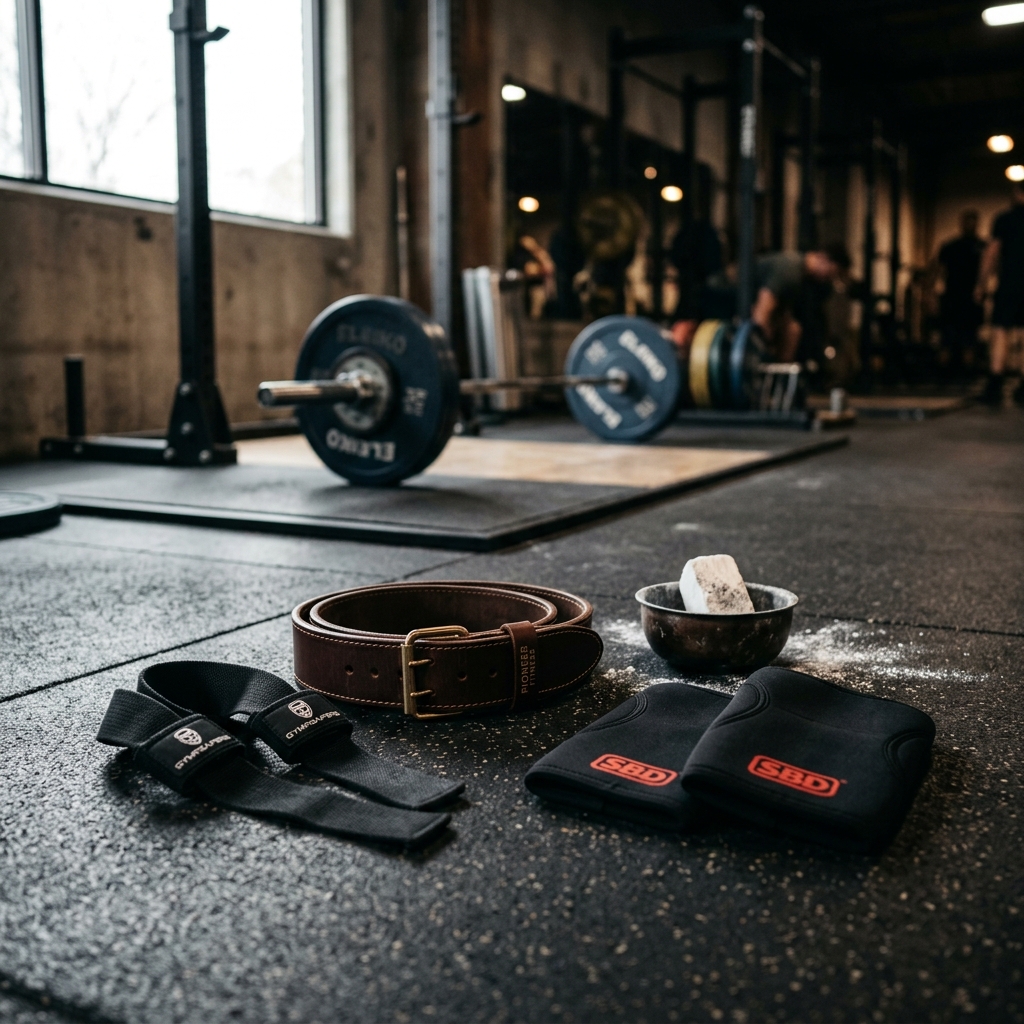
When you step into a serious gym, you’ll notice lifters wearing all kinds of gear—leather belts, knee sleeves, wrist wraps, and chalk-covered lifting straps. But what do these accessories actually do? Are they mandatory for beginners, or just an ego boost for advanced athletes? In this guide, we break down the most common gym equipment, their benefits, and exactly who needs them.
1. Weightlifting Belts
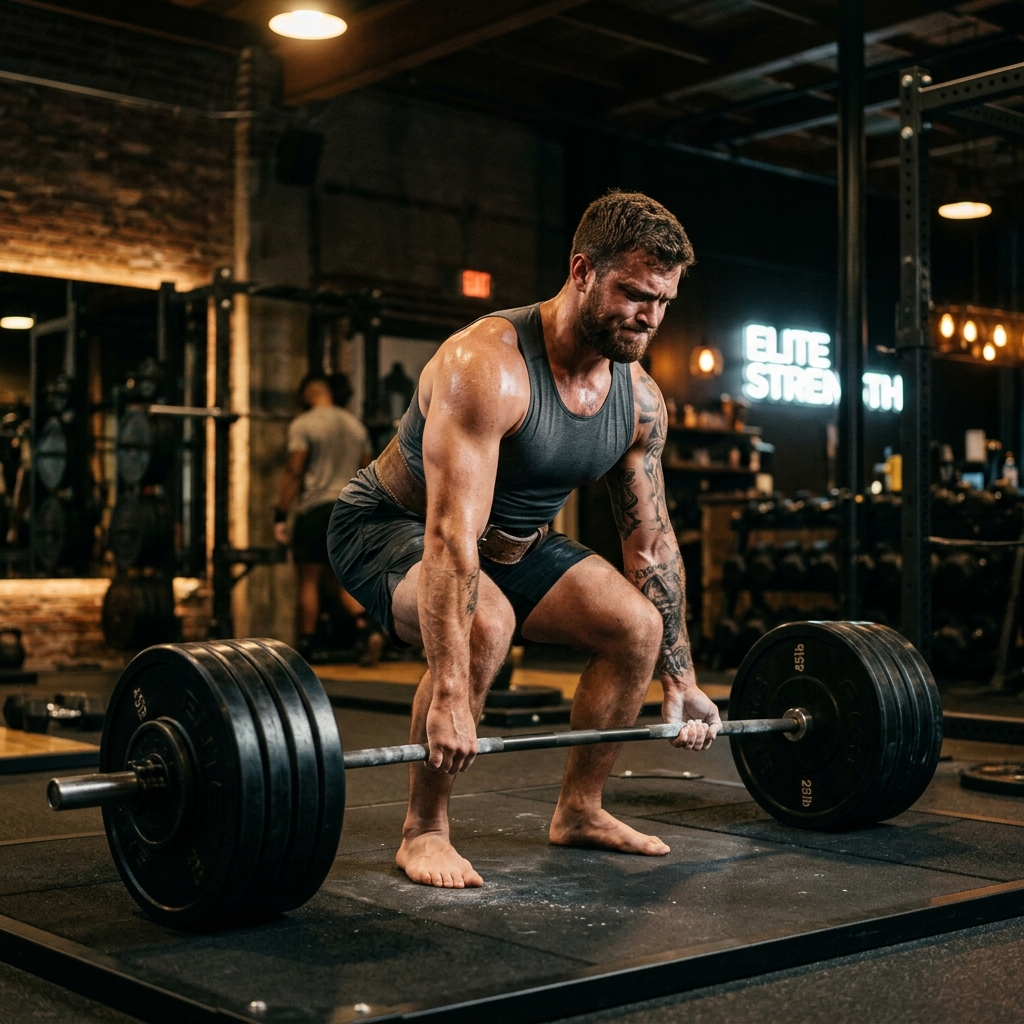
A weightlifting belt is a thick piece of leather or nylon worn tightly around the waist. Its primary purpose is to increase intra-abdominal pressure (IAP) when you brace your core. This stabilizes your spine during heavy compound lifts like squats and deadlifts.
- Benefits: Protects the lower back, increases core stability, and allows you to lift roughly 5-15% more weight.
- Mandatory? No. Beginners should learn to brace naturally first.
- Who needs it? Intermediate to advanced lifters pushing near their 1-rep max on heavy squats, deadlifts, and overhead presses.
2. Lifting Straps
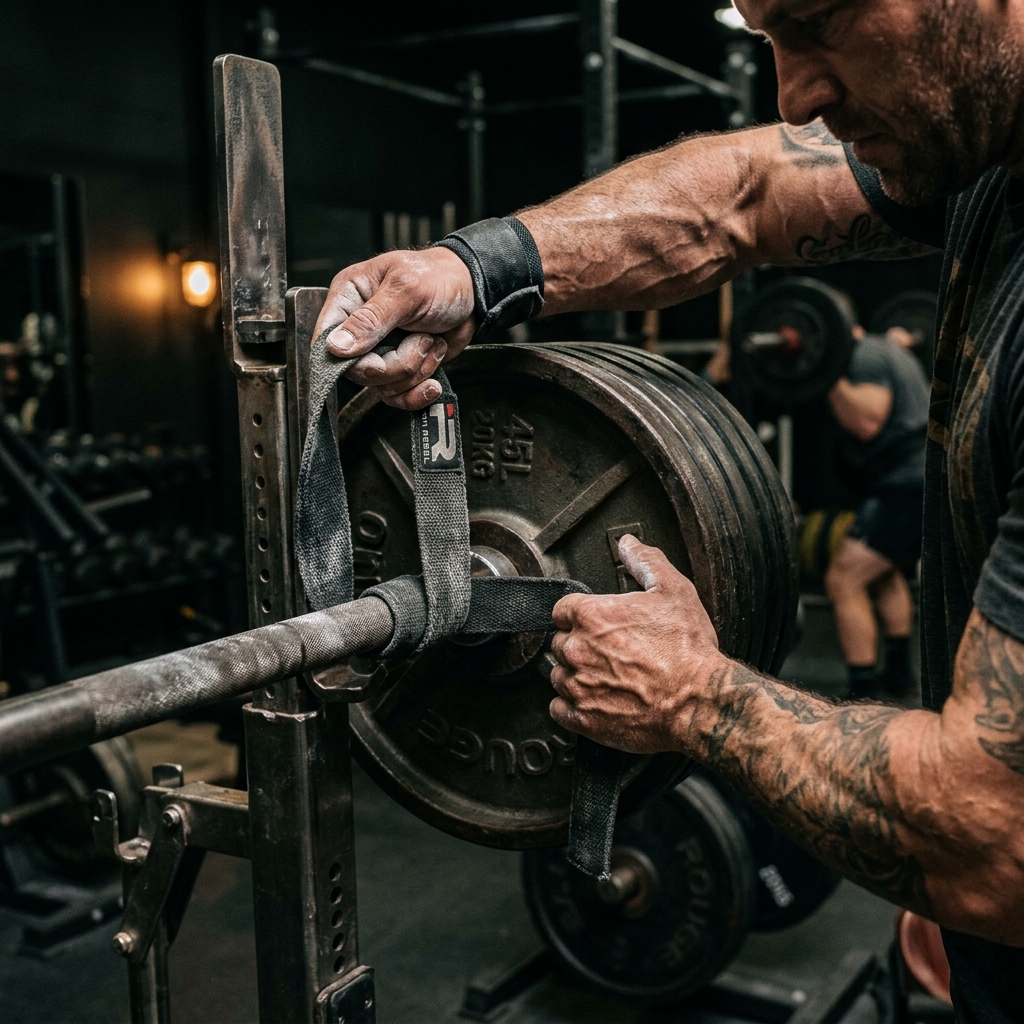
Lifting straps wrap around your wrists and the barbell, physically binding your hands to the weight. They eliminate grip strength as the limiting factor in pulling exercises.
- Benefits: Allows you to overload your back and hamstrings during heavy deadlifts, rows, and shrugs without your grip failing first.
- Mandatory? No, but highly recommended for hypertrophy training.
- Who needs it? Anyone doing heavy pulling movements where their back is stronger than their grip.
3. Knee Sleeves
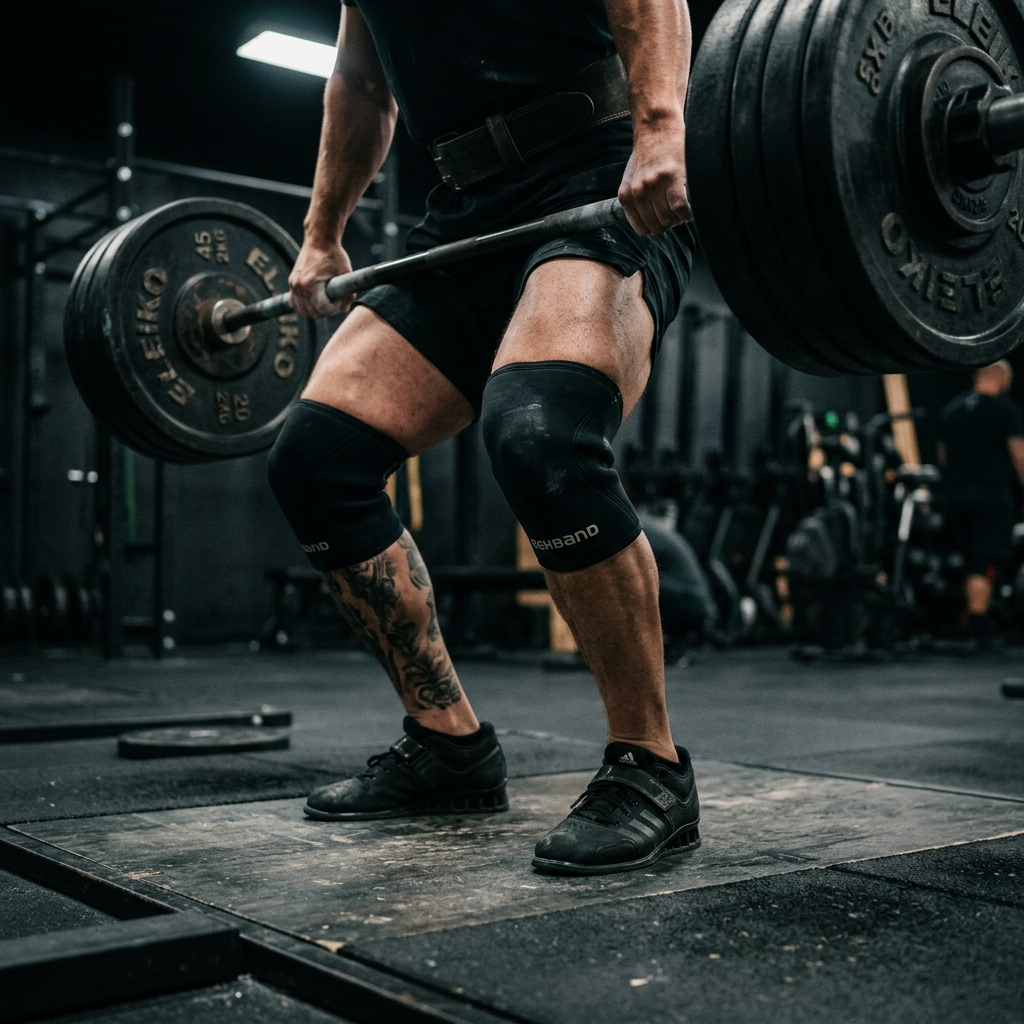
Made of tight neoprene, knee sleeves compress the knee joint, retaining heat and increasing blood flow during leg days.
- Benefits: Reduces knee pain, improves joint lubrication, and provides a slight mechanical "bounce" out of the bottom of a squat.
- Mandatory? No.
- Who needs it? Lifters who experience mild knee discomfort during squats or those pushing heavy volume on leg day.
4. Wrist Wraps
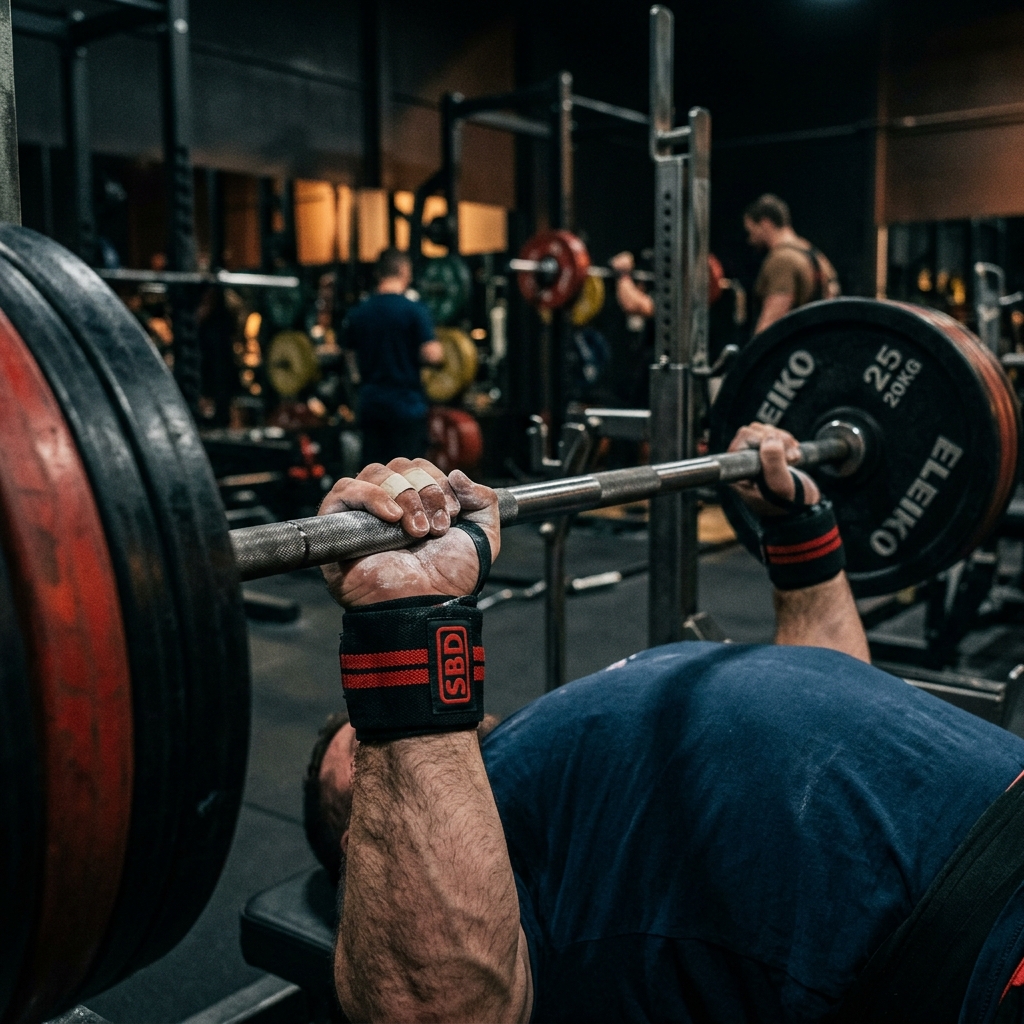
Not to be confused with straps, wrist wraps are stiff elastic bands worn around the wrists to keep the joint neutral during heavy pressing movements.
- Benefits: Prevents the wrist from hyperextending backward, preventing pain and energy leakage during the bench press and overhead press.
- Mandatory? No.
- Who needs it? Powerlifters and bodybuilders pushing heavy weight on pushing days.
5. Gym Gloves vs. Liquid Chalk
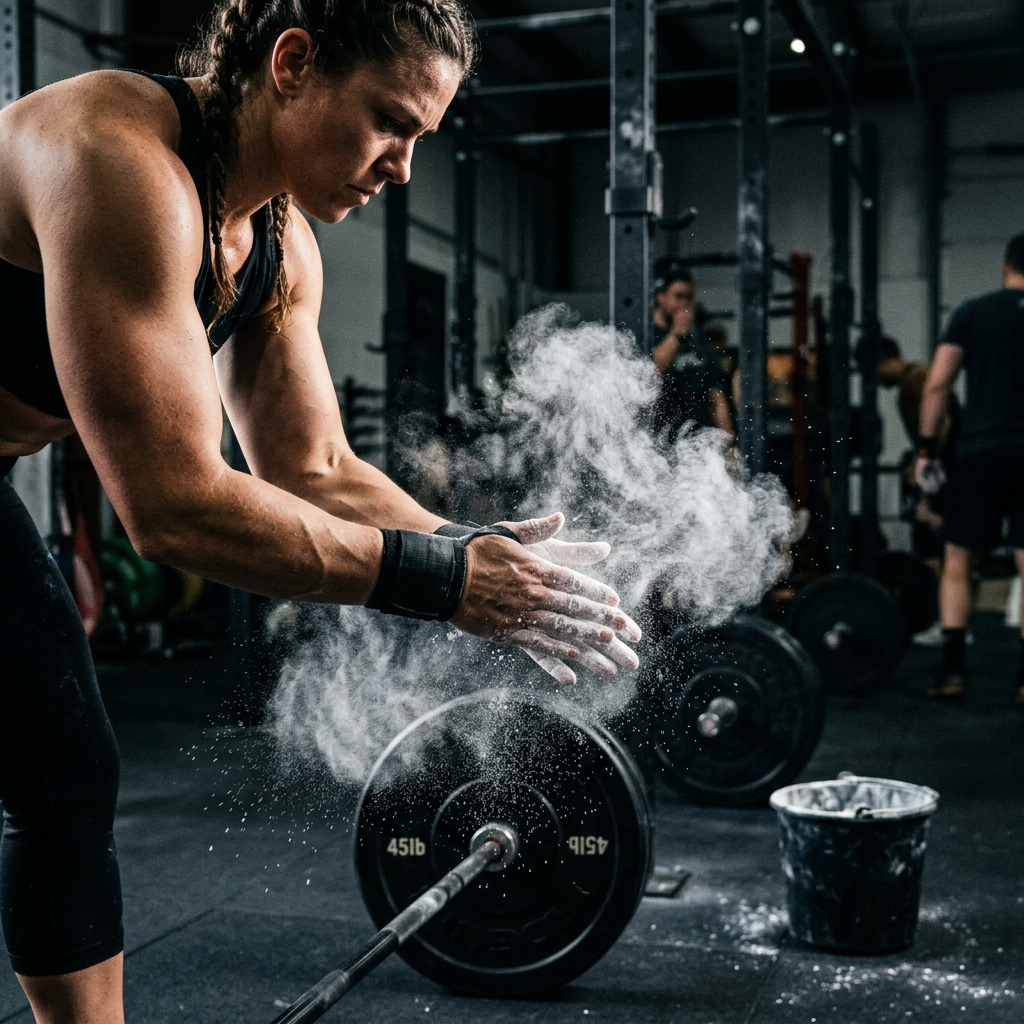
Gym gloves are padded gloves designed to prevent calluses. Chalk (powdered or liquid magnesium carbonate) dries sweat to maximize friction on the bar.
- Benefits: Gloves protect the skin, while chalk massively improves grip security.
- Mandatory? Chalk is highly recommended. Gloves are largely discouraged as they artificially thicken the bar, making it harder to grip.
- Who needs it? Use chalk for deadlifts. Ditch the gloves and embrace the calluses!
6. The IronTrack App
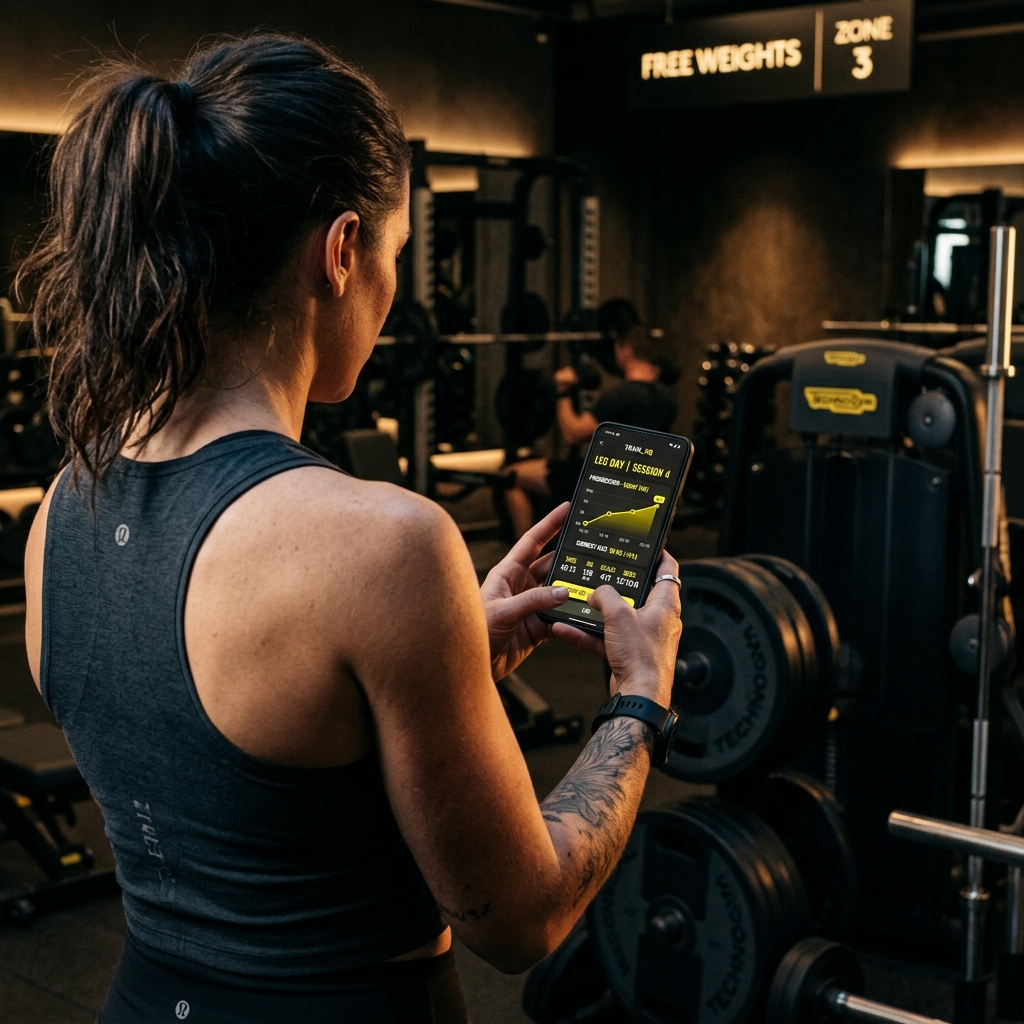
The most important piece of equipment isn't what you wear—it's how you track. Progressive overload is mathematically impossible to sustain if you are just guessing what you lifted last week. A premium tracking app acts as your logbook, your timer, and your historical data center.
- Benefits: Eliminates guesswork, ensures progressive overload, provides detailed analytics, and prevents junk volume.
- Mandatory? Yes, if you want long-term results.
- Who needs it? Absolutely every lifter, from day one beginner to IFBB Pro.
"Gear should enhance your training, not compensate for bad technique. Master the form first, then add the equipment to push your limits."